Straightforward Biosecurity & Risk Management for Smallholders and Backyard Bird Keepers
Keeping poultry comes with real responsibility, and staying ahead of disease risks is an important part of protecting your flock. Livetec provides practical tools, guidance and training designed to support small-scale poultry keepers.
Whether you keep a small backyard flock or a growing number of birds, we offer straightforward solutions to help you manage them responsibly.
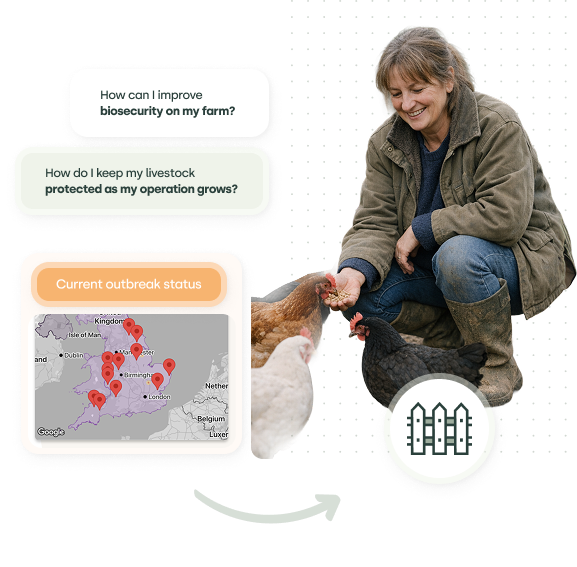
From NEX, our award-winning dispatching tool, to expert-led training and the Livestock Protect app, which helps you stay informed about bird flu outbreaks near you, Livetec helps you care for your birds with confidence.
Discover theLivestock Protect app,available free to download
The Livestock Protect App is a free, easy-to-use tool designed specifically for smallholders, helping you safeguard your birds with real-time disease alerts, biosecurity guidance, and essential farm management tools.
With step-by-step biosecurity support, Livestock Protect ensures smallholders like you have everything needed to protect your birds, operate efficiently, and stay informed.
The Livetec NEX®
Maximise welfare with the Livetec NEX®
The Livetec NEX® is the optimum, humane method of despatching individual birds on-farm.
Excellent biosecurity is a farm’s best defence against a disease outbreak. Livetec’s Biosecurity Infographic highlights the dangers and provides solutions.
Spotlight
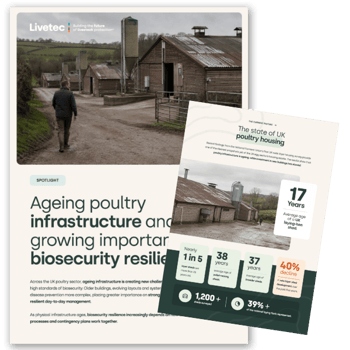
Ageing poultry infrastructure and the growing importance of biosecurity resilience
Access your free copy to learn more about the growing challenging of biosecurity infrastructure debt.
White Papers & Reports
African Swine Fever Spotlight: Exploring ASF
It is critical that pig farmers and farm workers understand African Swine Fever (ASF), how it is spread, how tolerant it is, its survivability and how to mitigate the risk.